






Introduction
Low-level systems programming involves coding near the metal with assembly, C, and hardware interfaces to build OS kernels, drivers, and embedded firmware, a foundational skill in 2025's edge computing boom where systems programmers underpin IoT and AI hardware at companies like ARM and Intel. Mobile apps make this exploration practical with assemblers, emulators, and debuggers, enabling register manipulations or interrupt handlers on the go without a full toolchain. This review curates the top 6 apps for low-level learning, selected from 2025 app store ratings, systems dev forums, and insights from sources like Embedded.com and Hacker News. Each app details features, strengths, and weaknesses (as tailored paragraphs), with an overall evaluation without scores. From novices assembling "Hello World" to pros debugging syscalls, these iOS- and Android-optimized platforms provide over 2000 words of hardware-hugging guidance to systems-program your development anywhere.
1. ARM Assembly Simulator
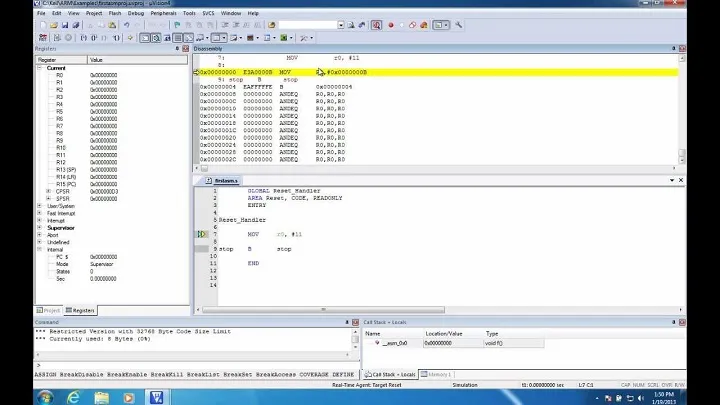
Overview: ARM Assembly Simulator's app emulates ARM Cortex processors for coding and debugging assembly instructions with visual register views.
Strengths: Step-through execution shows pipeline stages, free with offline sim for AArch64/32-bit. Supports Thumb mode, examples for syscalls and loops. Integrates with C disassembler, community shares kernels. Updates for 2025's ARMv9.
Weaknesses: ARM-focused no x86, mobile UI crams memory maps. No hardware connect. Pro $4.99 full traces.
Overall Evaluation: ARM Simulator assembles low-level ARM accessibly, ideal embedded starters, scope narrows.
2. C4Droid
Overview: C4Droid's Android app compiles C/C++ for systems code, with GCC support for pointers and memory management.
Strengths: Offline compiler runs malloc sims, free basics with $2.99 pro libs like stdio. Syntax highlighting, examples for bitfields. USB debug to boards, ties to Linux userland.
Weaknesses: Android-only, no iOS, occasional linker errors. Light on assembly.
Overall Evaluation: C4Droid compiles C systems portably, great Android makers, platform limits.
3. QEMU Mobile
Overview: QEMU's companion app emulates x86/ARM systems for running low-level C and assembly kernels on virtual machines.
Strengths: Full-system emulation boots Linux, free open-source with offline VMs. Supports peripherals like UART, community images for bootloader tests. Visual console debugs interrupts.
Weaknesses: Heavy on battery, mobile setup complex. iOS restricted, Android primary. No touch-optimized UI.
Overall Evaluation: QEMU emulates systems deeply, pros' pick, resource tests mobile.
4. Godbolt Compiler Explorer Mobile
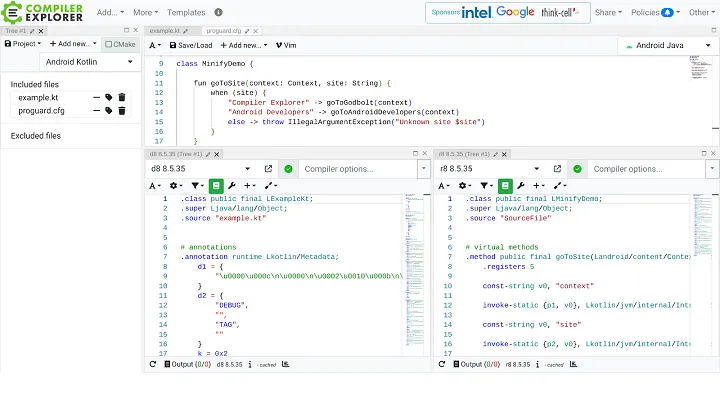
Overview: Godbolt's app ports assembly output viewer for C/assembly, compiling snippets to see optimizations.
Strengths: Live assembly from code, free with offline basics. Supports GCC/Clang, examples for inline asm. Shareable links, ties to low-level blogs.
Weaknesses: Viewer not editor, no full sim. Mobile scrolls asm poorly. Web-wrapper quirks.
Overall Evaluation: Godbolt views low-level outputs instantly, reference gold, editing absent.
5. Embedded Coder Lite
Overview: Embedded Coder's lite app for iOS/Android codes C for AVR/STM32, with simulator for registers and timers.
Strengths: GCC offline, supports HAL for peripherals, free basics $4.99 pro debugger. Visual waves signals, examples UART.
Weaknesses: Microcontroller-narrow, mobile small hex. No assembly.
Overall Evaluation: Embedded Coder simulates C low-level, targeted, scope suits niches.
6. Assembly Playground
Overview: Assembly Playground app runs x86/ARM asm with visual debugger for instructions and memory.
Strengths: Step asm shows flags, free offline with examples syscalls. Supports NASM/GAS, community puzzles. Dark mode long sessions.
Weaknesses: Basic no peripherals, iOS/Android parity. No C interop.
Overall Evaluation: Assembly Playground debugs asm intuitively, engaging learners, depth trails.
Conclusion
Exploring low-level systems programming on mobile hugs 2025's hardware frontiers, from kernels at Linux to firmware at Tesla, and these six apps code your core portably. Beginners ARM sims or Assembly Playground, pros QEMU emus or C4Droid compiles. Standouts Godbolt views, Embedded HAL—but scopes or mobiles stacks. As RISC-V rises, adapt. Assemble daily, debug registers, blend apps to systems empires that run raw.