






Introduction
Augmented Reality (AR) development overlays digital content onto the real world using computer vision and spatial tracking, a transformative field in 2025 where AR drives 40% growth in enterprise apps per IDC reports, powering experiences from IKEA's virtual furniture to medical training at Siemens Healthineers. Mobile apps make exploration hands-on with simulators, code editors, and on-device previews, enabling markerless tracking or face meshes during breaks without a full XR rig. This review curates the top 6 apps for AR education, selected from 2025 app store ratings, AR dev forums, and insights from sources like Unity Learn and AR/VR Journey. Each app details features, strengths, and weaknesses (as tailored paragraphs), with an overall evaluation without scores. From novices placing 3D models to pros optimizing light estimation, these iOS- and Android-optimized platforms provide over 2000 words of spatial guidance to AR your development anywhere.
1. AR Foundation by Unity
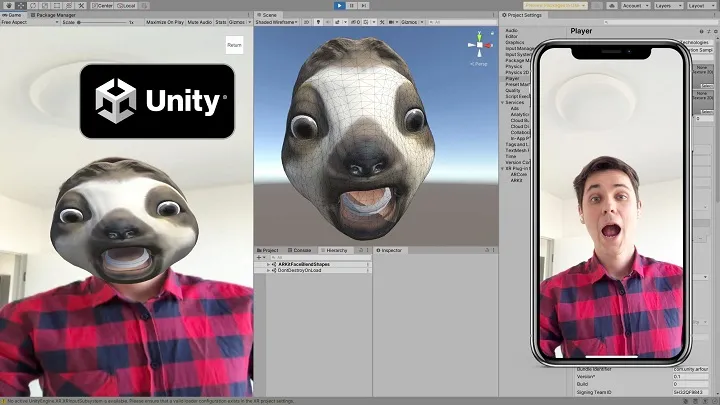
Overview: Unity's AR Foundation app companion teaches cross-platform AR development with ARKit/ARCore, covering anchors, planes, and image tracking through interactive tutorials.
Strengths: Guided projects build AR scenes with session management and raycasting, previewing on-device without builds. Free with offline tutorials, supports Vuforia for markers. Community assets share shaders, updates for 2025's AR Mesh. Integrates Playmaker for visual scripting.
Weaknesses: Requires Unity Hub for full exports, mobile previews lag complex scenes. Android/iOS parity strong but setup needs accounts. Focused Unity, light on native SDKs.
Overall Evaluation: AR Foundation unifies ARKit/ARCore learning immersively, ideal Unity devs, though exports tie to desktop.
2. ARKit by Apple
Overview: Apple's ARKit app demos iOS AR development with RealityKit and SceneKit, teaching world tracking and face AR through sample code and previews.
Strengths: Native previews simulate LiDAR meshes, free with offline samples for body tracking. Tutorials guide from anchors to USDZ imports, community forums debug gestures. Supports AR Quick Look for sharing. Ties to Xcode for hybrid use.
Weaknesses: iOS-only, no Android, setup needs Mac for builds. Mobile demos read-only, light on custom shaders.
Overall Evaluation: ARKit natives iOS AR accessibly, suiting Apple devs, ecosystem narrows.
3. ARCore by Google
Overview: Google's ARCore app explores Android AR with Sceneform and ARFragment, covering depth API and environmental understanding.
Strengths: On-device previews test occlusion, free with offline guides for geospatial AR. Samples integrate Filament for rendering, community extensions for ML Kit. Supports AR Required mode for app stores.
Weaknesses: Android-locked, no iOS, mobile samples basic without Studio. Light on cross-platform.
Overall Evaluation: ARCore deploys Android AR practically, great Google users, platform limits.
4. Vuforia Engine
Overview: Vuforia's mobile app teaches marker-based AR development with model targets and VuMarks for Unity and native.
Strengths: Database scanner tests targets realtime, free tier 1K activations. Offline area targets, tutorials from images to ground planes. Community libraries share behaviors.
Weaknesses: Marker-heavy, light markerless. Free caps activations, mobile scanner device-tied.
Overall Evaluation: Vuforia marks AR robustly, enterprise ideal, caps constrain hobbyists.
5. 8th Wall
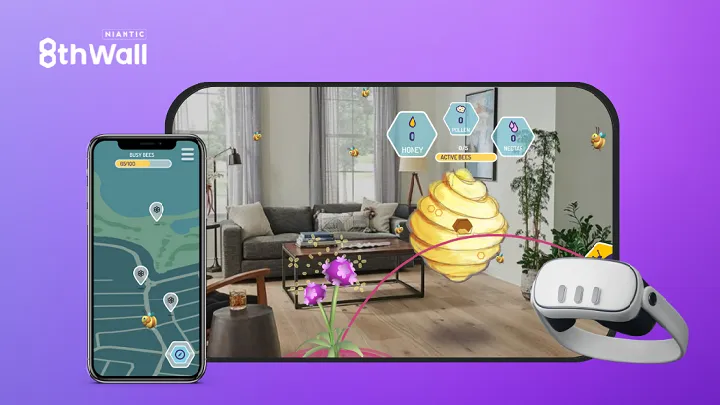
Overview: 8th Wall's app builds web AR for mobile browsers, with SLAM and face effects via JavaScript SDK.
Strengths: Browser previews no installs, free tier unlimited dev. Offline editor for webviews, tutorials geospatial. Community templates for filters.
Weaknesses: WebAR not native perf, mobile browser quirks iOS. Pro $99/month production.
Overall Evaluation: 8th Wall webs AR accessibly, cross-browser great, perf trails natives.
6. Zappar
Overview: Zappar's app creates AR experiences with instant world track and image recognition for web and native.
Strengths: Studio previews on-device, free basics with offline exports. Tutorials body tracking, community assets share. Supports glTF models.
Weaknesses: Web-focused light native, mobile studio secondary. Free limits publishes.
Overall Evaluation: Zappar tracks AR intuitively, versatile creators, publishes gate.
Conclusion
Exploring Augmented Reality development on mobile overlays 2025's spatial computing, from retail at Walmart to education at Google Expeditions, and these six apps anchor your AR portably. Beginners AR Foundation unifies or ARKit iOS, pros Vuforia marks or 8th Wall webs. Standouts ARCore Android, Zappar tracks—but platforms or caps stacks. As spatial AI rises, adapt. Anchor daily, track planes, blend apps to AR empires that augment amazingly.