






Introduction
Megabonk is a roguelike survival shooter where you battle through endless waves of enemies in randomly generated maps, upgrading your character, weapons, and items as you go. The difficulty ramps up fast, enemies scale with your progress, and bosses can feel unfair without proper builds. This guide gives you solid strategies to master Megabonk’s chaotic system, optimize your runs and enjoy more victories.
Master the Early Game Loop
In the beginning, clears are about survival more than killing everything. Focus on gathering XP, finding decent weapons or tomes, and avoiding unnecessary risks.
Try to progress through tier-1 stages without overextending. Upgrading basic stats like damage, movement speed, and attack speed early makes later tiers far more manageable.
Unlocking Extra Slots (Weapons & Tomes)
Extra slots for weapons and tomes expand your build flexibility and power. These don’t unlock immediately, so plan ahead.
You’ll earn extra weapon and tome slots by completing a number of quests. Prioritize this unlock, especially for longer runs in upper-tier maps. Every additional slot improves scaling.

Farming Silver Efficiently
Silver is the meta-currency for unlocks between runs, so optimizing how you get it matters a lot.
Longer runs in higher-tier stages give the best returns. Also complete side quests and challenges—they often give silver rewards. Investments in Silver Gain upgrades are tempting, but they often give small returns compared to unlocking better build options.
Using the Toggler to Control RNG
RNG (randomness) is a big part of each run. The Toggler lets you disable unwanted unlocks or items so your random upgrade pool doesn’t betray you.
Unlock the Toggler early. Use it to shut off weak synergies or items that don’t match your build. It’s especially helpful in mid-to-late game when bad RNG can ruin a run.
Understand and Manage Difficulty Stat
Difficulty in Megabonk isn’t just a setting—it scales with your choices. Shrines like Greed or Charge increase it, boosting enemy strength, health, number, but also rewards.
Use difficulty boosts only when your build has solid sustain such as lifesteal, regen, or shield. If you push difficulty too early, you’ll get overwhelmed. But when done right, raising difficulty speeds up XP and silver gain.
Best Tomes and Items to Prioritize
Some tomes and items give larger benefits than others—especially as enemies scale. Prioritize ones that help you dodge, deal damage quickly, and survive.
- Tomes: Attack Speed, Damage Multipliers, Projectile Count, Luck
- Items: Movement Speed boots, life regen, shields, AoE damage tools
Greed Shrines & Risk-Reward Trade-offs
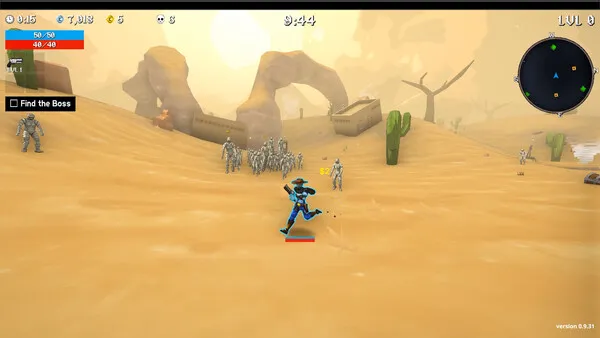
Greed Shrines give you immediate silver but permanently increase difficulty by about 5% each time. They are high reward, but risky.
Use them early when your build is still flexible and you can afford to push. If used too late with weak gear, the extra difficulty can break you. Also pair with good AoE weapons and defensive items to survive bigger waves.
How to Conquer the Final Boss
The Final Boss is designed to strip certain build advantages, forcing you to rely more on your starter weapon and core stats.
Plan accordingly: invest heavily in your primary weapon’s scaling, movement, and evasion tools. Quality defensive tomes are essential. Don’t count on fancy synergies or late additions—prepare from early run stages since many buffs disappear or weaken.
Pacifist & Special Challenge Runs
Megabonk has special challenge modes like the Pacifist run, where you avoid using weapons. These require very different strategies.
In Pacifist runs, rely on passive damage sources, strong defensive builds, health regen, and XP scaling. Use durable characters with shields or high survivability. These runs are slow but rewarding if done with patience.

Advanced Build Synergies & Endgame Scaling
When you are further along in the game, synergies between items, tomes, weapons, and character abilities become essential.
Watch for items or tomes that multiply effects from others, such as projectile count boosts stacking with projectile scaling. Mobility and sustain grow even more important in long runs. Adapt to RNG—if you don’t get lucky early, focus on survival rather than raw power.
Conclusion
Megabonk is hectic, unforgiving, but deeply satisfying once you understand its layers. Early investment in slots and tomes, careful use of RNG tools like the toggler, managing difficulty, and building for both damage and survivability can turn losses into solid progress. With the right strategies, no run feels completely hopeless.