


Rematch is a competitive strategy game that challenges players to think critically, adapt quickly, and manage resources under pressure. Unlike casual games, Rematch emphasizes not only skill but also the ability to learn from previous attempts and apply that knowledge in subsequent matches. This concept of playing again, refining strategies, and testing new approaches is at the core of its appeal.
For new players, the game may appear intimidating. However, mastering Rematch is achievable by following a structured learning path. This article will explain how to play and improve step by step, from learning the basics to advanced strategies, teamwork, and mindset. By the end, you will be equipped with tools and knowledge to approach every rematch with confidence.
Understanding the Game Rules
The first step in learning Rematch is understanding its rules. Each match is designed around specific objectives that players must complete before their opponents. These can involve scoring points, eliminating enemies, or capturing territories, depending on the game mode.
Rules ensure balance between players, making skill and decision making the determining factors of victory. Knowing the rules thoroughly allows you to avoid penalties and mistakes. Beginners often overlook small details, but in Rematch every decision has consequences.
Learning the Core Mechanics
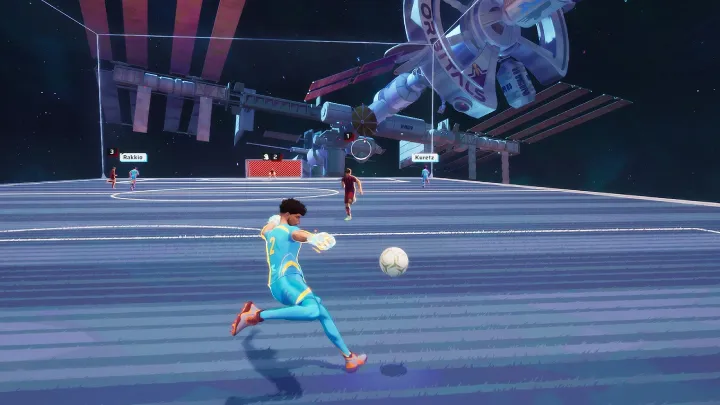
Every game is built on mechanics, and Rematch is no exception. Core mechanics may include movement, combat systems, resource management, and special abilities. Mastering these mechanics provides a solid foundation.
Unlike simple games, Rematch often requires multi tasking. You may need to defend one area while simultaneously attacking another. Early practice should focus on becoming comfortable with controls and mechanics until they feel natural.
Choosing Your Playstyle
Rematch offers different strategies and roles depending on how you prefer to play. Some players are aggressive, pushing early advantages. Others are defensive, focusing on resource control and long term dominance.
Your playstyle should match both your personality and team composition. For example, aggressive players may enjoy leading attacks, while defensive players excel at support and structure. Experiment with different roles until you find one that suits you.
Examples of playstyles
- Aggressive: rush strategies, constant pressure
- Defensive: strongholds, slow buildup
- Balanced: mix of offense and defense
- Supportive: enabling teammates with resources or abilities
Developing Strategic Thinking
Rematch rewards players who think ahead. Strategy involves not only responding to the present situation but also predicting what the opponent will do next. Planning several moves in advance increases your chances of success.
Strategic thinking also means adapting. A strategy that works in one match may fail in another. The key is recognizing when to change your plan mid game. Successful players are flexible, creative, and aware of their opponents behavior.
Practicing and Learning from Losses
The name Rematch itself emphasizes the importance of playing again. Losses are not failures but opportunities to improve. After each match, review what went wrong. Did you mismanage resources, miscommunicate with teammates, or overextend?
Practicing regularly builds familiarity with the game systems. Set goals for each practice session, such as improving reaction times or testing new strategies. Over time, consistent practice transforms weaknesses into strengths.
Mastering Teamwork and Communication
While Rematch can often be played solo, the most competitive modes require teamwork. Good communication ensures that everyone on the team understands the plan. Use concise callouts, share resources, and coordinate abilities.
Teamwork also means understanding your role. If you are a support player, focus on helping teammates succeed. If you are a leader, guide the team with clear direction. Teams that trust and respect each other generally outperform teams with only individual skill.
Communication tips
- Share enemy positions quickly
- Announce resource status
- Keep messages short and clear
- Avoid negative talk during matches
Advanced Tactics for Competitive Play

Once you have mastered basics, advanced tactics become crucial. These include mind games, baiting opponents, or setting traps. Timing abilities and coordinating attacks create overwhelming pressure on the opponent.
In competitive play, advanced tactics separate good players from great ones. For example, faking an attack on one side of the map while secretly preparing a strike on another forces the enemy to spread thin. Using unpredictability makes you harder to counter.
Advanced tactics examples
- Double push: attacking from two angles
- Fake retreat: luring enemies into ambush
- Resource denial: cutting off enemy supply
- Map control: holding key choke points
Managing Mental Strength and Focus
Matches in Rematch can be intense. Long sessions and constant pressure take a toll on concentration. Mental strength helps maintain consistency even in difficult situations.
Stay calm when things go wrong. Emotional reactions often lead to poor decisions. Instead, analyze mistakes logically. Take short breaks between matches to reset your focus. Players who maintain discipline outperform those who tilt under pressure.
Reviewing Matches and Continuous Improvement
Continuous improvement is the hallmark of great players. Recording and reviewing matches provides insight into your decision making. Watching replays highlights mistakes that are easy to overlook during gameplay.
Set personal benchmarks. For example, aim to improve resource management efficiency or reduce unnecessary deaths. Measure progress over time and celebrate small achievements. Improvement in Rematch is gradual, but consistent effort leads to mastery.
Conclusion
Rematch is more than just a game. It is a test of skill, strategy, teamwork, and resilience. Mastering it requires dedication to learning fundamentals, experimenting with playstyles, and embracing both victories and defeats as learning opportunities.
By focusing on strategy, communication, and mental preparation, you can elevate your gameplay. Every rematch becomes a chance to grow stronger, smarter, and more confident. Ultimately, Rematch teaches not only how to win but also how to persevere.
Summary :
Step by step guide to mastering Rematch through strategy, practice, teamwork, mental focus, and continuous improvement across every match.