


Dota 2 is one of the most complex and rewarding competitive games in the world. Known for its steep learning curve, it challenges players to master not only mechanical skills but also strategy, teamwork, and adaptability. Unlike other multiplayer games, Dota 2 requires a deep understanding of heroes, items, roles, and evolving in-game situations. This guide will walk you through everything — from starting as a beginner to climbing towards mastery — with practical "how to" methods that help you improve step by step.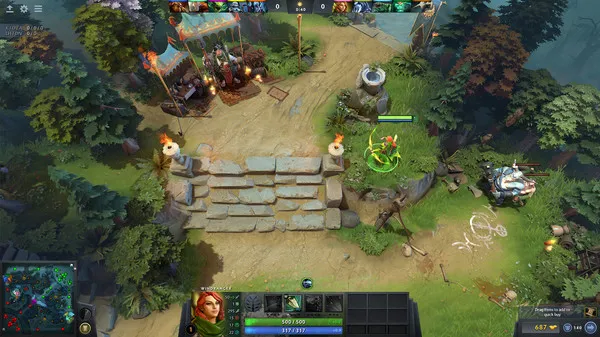
How to Get Started in Dota 2
For beginners, the first step is setting up the game, learning the basics, and understanding what makes Dota 2 unique.
Installing and Setting Up
Dota 2 is free-to-play on Steam. Once installed, adjust settings to suit your system. Lower graphics if your PC struggles, but prioritize smooth gameplay over visuals.
Understanding the Objective
The main goal in every match is to destroy the enemy Ancient. Each team of five players defends its base while trying to push across lanes and take down enemy structures.
How to Learn the Basics of Gameplay
After understanding the objective, you need to grasp the fundamental mechanics that define Dota 2.
Core Elements
- Heroes: Over 120 unique heroes with different skills and playstyles.
- Lanes: Three lanes (Top, Mid, Bottom) where battles unfold.
- Creeps: AI-controlled units that spawn every 30 seconds and provide gold and experience.
Last-Hitting and Denying
A critical mechanic is last-hitting creeps for gold while denying your own creeps to reduce enemy experience. This separates good players from great ones.
How to Choose the Right Hero
Picking the right hero is one of the most important decisions in Dota 2.
Understanding Hero Roles
- Carry: Scales into late game with items.
- Support: Provides vision, healing, and disables.
- Midlaner: Flexible role, often initiator or damage dealer.
- Offlaner: Durable and disruptive.
Beginner-Friendly Heroes
Start with simple heroes like Sniper, Lion, or Wraith King before moving to complex ones like Invoker or Meepo.
How to Master Roles and Responsibilities
Each role in Dota 2 carries unique responsibilities.
Core Roles
- Carry: Farm efficiently and deal damage later.
- Support: Buy wards, protect your carry, and enable fights.
- Offlane: Pressure enemy carry and create space.
- Mid: Control tempo and rotations.
Playing Your Part
Don’t try to do everything at once. Focus on excelling in your role, which contributes more to victory than attempting to carry every game.
How to Farm and Control Resources
Gold and experience define progression in Dota 2.
Efficient Farming
Learn creep equilibrium, stacking jungle camps, and neutral farming patterns. Always balance farming with contributing to fights.
Map Awareness
Constantly watch the minimap. Good players anticipate enemy rotations and avoid unnecessary deaths while farming.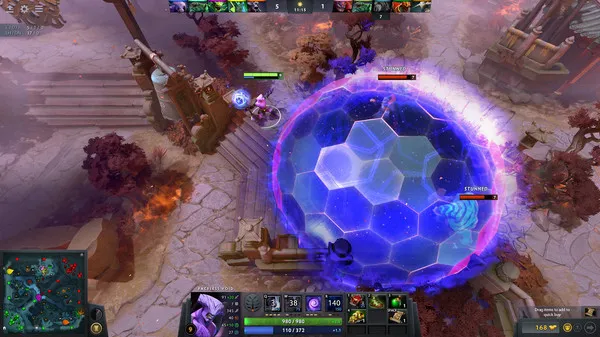
How to Use Items Effectively
Items in Dota 2 can change the outcome of a match.
Core Items vs. Situational Items
- Core Items: Essential for your hero (e.g., Blink Dagger on initiators).
- Situational Items: Adapt to enemy composition (e.g., Black King Bar against magic damage).
Consumables
Always carry consumables like Healing Salves, Tangoes, or Observer Wards early in the game. Small items often save lives.
How to Improve Team Communication
Teamwork is everything in Dota 2. Without coordination, even skilled players lose.
Effective Communication
- Use short, clear voice lines or pings.
- Share cooldown timings of big abilities.
- Report enemy movements.
Avoiding Toxicity
Stay calm even when teammates underperform. Encouragement works better than blame.
How to Understand and Control the Map
Vision and map control are key to winning matches.
Warding and Vision
Supports must place Observer Wards to reveal enemy movements and Sentry Wards to deward. Vision wins games.
Objectives Over Kills
Pushing towers and securing Roshan is more valuable than chasing unnecessary kills. Always prioritize objectives.
How to Adapt During Matches
No two games of Dota 2 are the same. Adaptability defines high-level play.
Adjusting Your Playstyle
- If your carry is behind, support them with defensive items.
- If ahead, push aggressively and close the game before enemies catch up.
Draft Flexibility
Learn multiple heroes in each role to adapt to team needs and enemy drafts.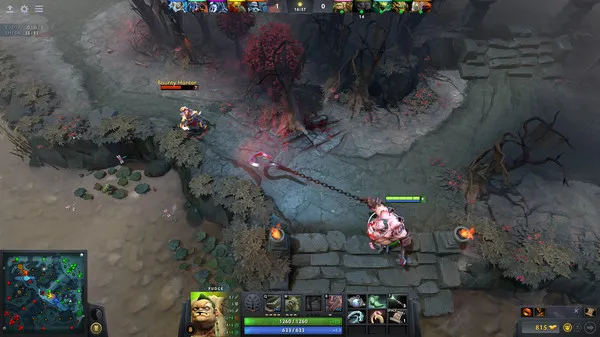
How to Climb Ranks and Improve Long-Term
Mastery comes with practice, patience, and reflection.
Reviewing Matches
Watch replays to spot mistakes. Look at positioning, item timings, and decision-making.
Learning from Pros
Follow professional players and tournaments. Study their item builds, rotations, and team strategies.
Conclusion
Mastering Dota 2 is a journey that requires time, patience, and dedication. From learning the basics and picking beginner-friendly heroes to understanding roles, farming efficiently, using items strategically, and mastering communication, every step builds toward improvement. Over time, you’ll not only sharpen your mechanical skills but also develop the strategic thinking and adaptability that separate casual players from masters.
Whether you’re just starting out or aiming to climb higher in ranked play, following these steps will put you on the right path toward dominating the world of Dota 2.