







Diablo® IV is the latest installment in Blizzard Entertainment’s iconic action RPG franchise. With dark, immersive storytelling, open-world exploration, and deep loot mechanics, success requires mastering combat, skill builds, and resource management. This guide will take you from a beginner learning the basics to an advanced player dominating dungeons, PvP zones, and endgame content.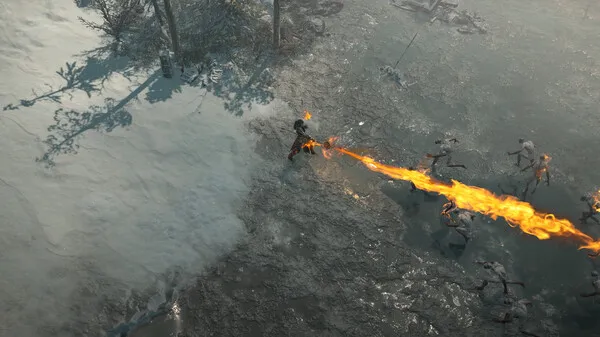
Getting Started in Diablo® IV
The first step is understanding the interface, controls, and basic gameplay mechanics. Beginners should start by completing the prologue to learn movement, attacking, and using skills.
Familiarity with the HUD, inventory, and skill bar is essential for survival in early encounters.
Beginner Essentials
- Learn character movement, attacking, and dodging.
- Understand health, mana, and stamina systems.
- Experiment with early skills to find your preferred playstyle.
Choosing Your Class
Diablo® IV offers multiple classes, each with unique abilities and combat styles. Selecting the right class affects both gameplay and long-term progression.
Consider your preferred combat style—melee, ranged, or magic—when choosing your class.
Available Classes
- Barbarian: Melee powerhouse with high survivability.
- Sorcerer: Spellcaster specializing in elemental damage.
- Rogue: Agile and versatile, capable of melee and ranged attacks.
- Druid: Shapeshifter with nature-based spells and summon abilities.
Class Tips
- Beginners may find Barbarian forgiving due to durability.
- Sorcerers excel in AoE (area-of-effect) damage for crowd control.
- Rogues and Druids require strategic positioning and skill timing.
Early Game Exploration and Combat
Early gameplay focuses on exploring open-world zones, completing quests, and battling lower-level enemies. Utilize terrain, dodge mechanics, and skills to survive.
Completing side quests and events unlocks resources, gear, and experience points.
Early Game Tips
- Explore thoroughly to find hidden loot and side quests.
- Use basic skills to learn cooldowns and combos.
- Avoid unnecessary risks until you understand enemy behavior.
Skill Progression and Builds
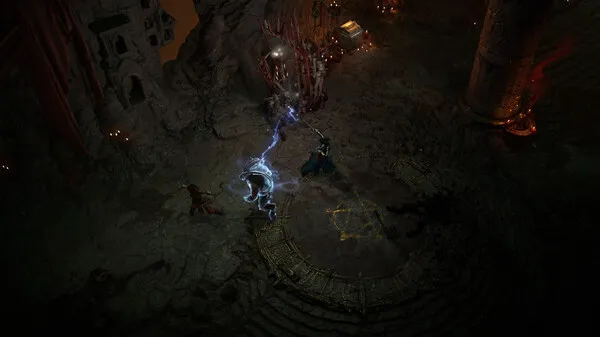
Diablo® IV features a deep skill tree. Players must plan builds around preferred playstyle and endgame goals. Efficient skill progression enhances combat effectiveness.
Focus on synergies between active and passive skills to maximize damage and survivability.
Skill Tips
- Specialize in a primary skill type for early efficiency.
- Save skill points for complementary abilities.
- Experiment with different combinations for hybrid builds.
Loot and Equipment Management
Loot in Diablo® IV is extensive, ranging from weapons and armor to legendary items with unique effects. Prioritize equipment that complements your class and build.
Understanding rarity, stat rolls, and set bonuses ensures you maximize combat potential.
Loot Tips
- Focus on items that enhance your primary abilities.
- Salvage or sell unused gear for crafting resources.
- Monitor legendary affixes for powerful combinations.
Mid-Game Strategy
Mid-game introduces elite enemies, dungeons, and more challenging quests. Players must optimize builds, upgrade gear, and utilize potions and consumables.
Coordination and strategic use of skills are essential for surviving these tougher encounters.
Mid-Game Tips
- Upgrade weapons and armor to match enemy difficulty.
- Prioritize survival skills and healing abilities.
- Learn dungeon layouts for efficient completion.
Boss Battles and Elite Encounters
Bosses and elite enemies require strategy, awareness, and skill timing. Study attack patterns and use environmental advantages to survive prolonged fights.
Combining crowd control, mobility, and burst damage ensures success.
Boss Tips
- Observe attack patterns before engaging aggressively.
- Rotate defensive and offensive skills for efficiency.
- Use consumables strategically to sustain health and mana.

PvP and Open-World Strategy
Diablo® IV includes PvP zones where players can engage in duels or large-scale encounters. Understanding enemy builds, terrain, and timing is crucial for success.
Preparation, coordination, and adaptability are key to thriving in competitive scenarios.
PvP Tips
- Scout areas before engaging enemy players.
- Equip gear suited for both offense and defense.
- Use mobility and terrain to outmaneuver opponents.
Endgame and Long-Term Mastery
Endgame content includes high-level dungeons, world bosses, and seasonal challenges. Efficient farming, optimized builds, and coordination in group content are essential.
Experienced players refine skills, gear, and strategies to tackle the most challenging content.
Endgame Tips
- Focus on high-value loot zones for gear progression.
- Complete seasonal and event content for unique rewards.
- Continuously refine builds to adapt to evolving challenges.
Conclusion
Diablo® IV combines dark storytelling, deep skill trees, and immersive combat. From mastering early exploration and combat to optimizing builds, loot, and PvP strategies, success requires planning, adaptability, and skill. By refining combat tactics, managing resources, and mastering endgame content, players can fully experience and dominate the world of Sanctuary.