![Simpsons [HORROR]](https://arbcdn.techfast.vn/0b51753c5bc9486bb6dfb8974ef220ab.webp)






Baldur's Gate 3 is a story-driven RPG that blends tactical combat, character customization, and deep role-playing elements. Success requires strategic thinking, understanding class abilities, party synergy, and exploration. This guide will take you from a beginner learning the basics to an advanced player mastering combat, quests, and character development.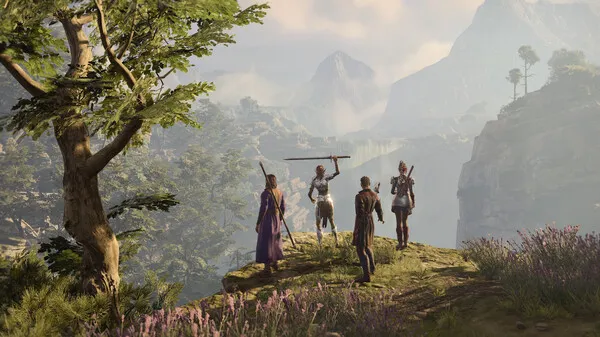
Getting Started with Baldur's Gate 3
The first step is familiarizing yourself with the interface, controls, and basic game mechanics. Beginners should start by completing the prologue to learn movement, interaction, and combat basics.
Focus on understanding turn-based mechanics, party composition, and dialogue choices to navigate the story effectively.
Beginner Essentials
- Learn movement, interaction, and inventory management.
- Understand the turn-based combat system.
- Get familiar with dialogue options and consequences.
Character Creation and Classes
Character creation is crucial in Baldur’s Gate 3. Choosing a race, class, and background affects abilities, stats, and role-playing opportunities.
Experiment with different combinations to find a playstyle that suits you, whether melee, ranged, magic, or support.
Popular Classes
- Fighter/Barbarian → Melee-focused with high durability.
- Rogue → Stealth, high single-target damage, utility.
- Wizard/Sorcerer → Magic damage and crowd control.
- Cleric/Druid → Healing, buffs, and elemental versatility.
Early Game Exploration and Quests
Early gameplay focuses on exploring the map, completing side quests, and gathering resources. Dialogue choices and exploration often unlock new items, companions, and abilities.
Understanding the environment and interacting with NPCs effectively can provide advantages in combat and story progression.
Early Game Tips
- Explore thoroughly for hidden items and lore.
- Pay attention to dialogue for quest clues.
- Recruit companions to balance your party.

Combat Basics
Combat in Baldur’s Gate 3 is turn-based, requiring careful planning of movement, attacks, and abilities. Positioning, cover, and spell usage are crucial for success.
Focus on learning your party’s abilities and coordinating attacks for maximum effectiveness.
Combat Tips
- Use high ground and cover for tactical advantage.
- Combine abilities for crowd control and damage chains.
- Save powerful spells for key encounters.
Mid-Game Progression
Mid-game introduces tougher enemies, complex quests, and advanced mechanics like environmental hazards and traps. Party composition and equipment optimization become essential.
Level up characters strategically and upgrade gear to handle increasing difficulty.
Mid-Game Tips
- Upgrade weapons, armor, and spells regularly.
- Balance party roles for damage, support, and crowd control.
- Plan actions carefully to minimize casualties.
Advanced Combat Tactics
Advanced players master action economy, positioning, spell synergy, and status effects. Exploiting enemy weaknesses and controlling the battlefield ensures consistent victories.
Predict enemy moves and use terrain, abilities, and items strategically.
Advanced Tactics
- Focus fire on priority targets.
- Use buffs and debuffs to manipulate combat.
- Optimize spell and ability rotations for maximum effect.
Party Management and Companions
Effective party management includes balancing abilities, equipment, and relationships. Companion abilities often complement your main character, enhancing both combat and story outcomes.
Choose companions strategically to cover weaknesses and exploit synergies.
Party Tips
- Equip companions according to their strengths.
- Manage relationships to unlock dialogue options and quests.
- Rotate party members for tactical flexibility.

Multiplayer and Co-op Strategy
Baldur’s Gate 3 supports cooperative multiplayer. Communication and coordination are key to optimizing turn-based combat and completing quests efficiently.
Shared decision-making in dialogue and combat enhances team performance.
Multiplayer Tips
- Plan moves with teammates for coordinated attacks.
- Share loot and resources to balance party strength.
- Discuss dialogue choices to optimize story outcomes.
Long-Term Mastery
Long-term mastery involves perfecting combat strategies, optimizing character builds, and completing all quests and achievements. Experienced players can handle the toughest encounters, maximize loot and experience, and navigate the story efficiently.
Mastery requires planning, adaptability, and a deep understanding of party synergies and environmental tactics.
Conclusion
Baldur’s Gate 3 combines tactical combat, deep role-playing, and exploration. From learning early combat and party mechanics to mastering advanced strategies, character builds, and quest optimization, success requires planning, adaptability, and strategic thinking. By refining combat skills, managing your party effectively, and exploring thoroughly, players can experience the full depth of this epic RPG.